
How to Date an Active Duty Military Officer
Dating a military man on active duty is not like dating anyone else, and most of the friction comes from the same four places: an unpredictable schedule, a PCS move every two years, regulations that govern who can date whom, and weeks at a time with thin communication. Here is what a first-time partner needs to understand before the first deployment notice lands.
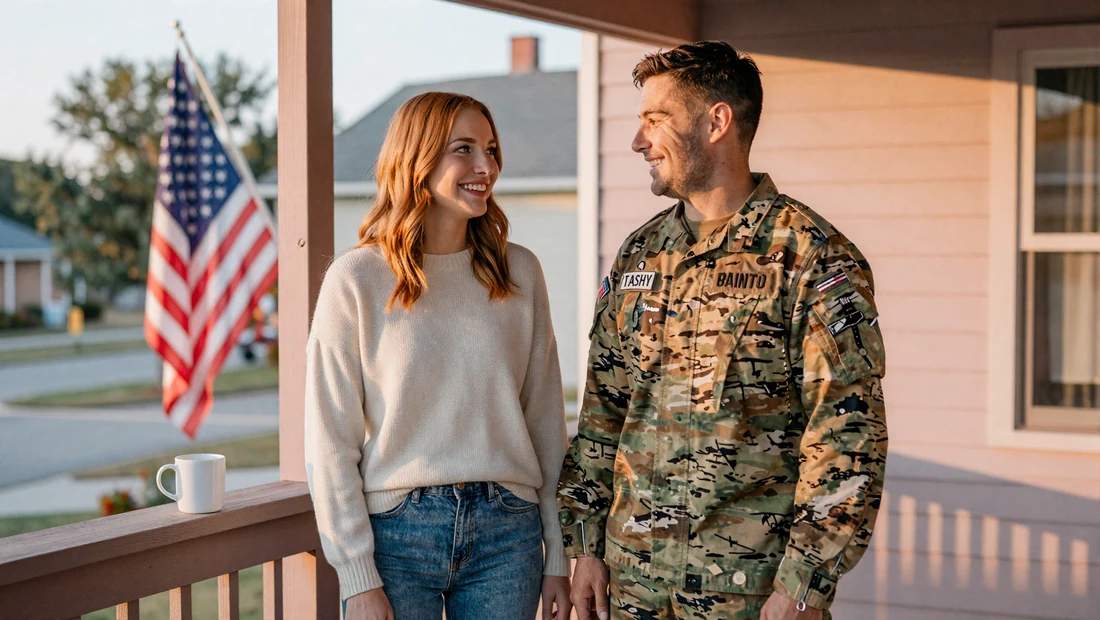
Finding love in the military looks the same as finding love anywhere - until the first training cycle. Then the texts get sparse, the phone calls land at odd hours, and the holiday plans you made in October quietly evaporate. None of this means the relationship is failing. It means you are dating a soldier whose job is operational readiness, not romantic availability. Understanding what that actually looks like - week by week, year by year - is the difference between a partner who lasts and one who burns out by the second deployment.
Understanding the Active Duty Schedule
The first thing to internalize: active duty is not a 9-to-5 with extra steps. Officers run training rotations, field exercises (FTX), staff duty cycles, and emergency recalls that can pull them out of a Friday dinner at 1900 and keep them out for a week. The Department of Defense classifies military service as one of the seven highest-divorce-rate career fields in the United States, and unpredictable scheduling - not deployment itself - is the most frequently cited cause.
What "unavailable" actually means
An active duty officer can be unreachable for a 14-hour duty shift, a 21-day FTX, a 6-month deployment, or a 12-month unaccompanied tour. Roughly 60% of civilian spouses report communication strain as the single hardest part of the lifestyle. Calibrate expectations to the mission, not to civilian work norms.
Here is the move that helps: stop reading silence as rejection. When your partner goes dark for 48 hours during a training event, that is the system working correctly. The healthy pattern is a brief heads-up before the silence, a check-in afterward, and a partner on the civilian side who has a full life of their own running in the meantime.
PCS Moves and Reassignments Every Two Years
Permanent Change of Station - PCS - is the Army's way of saying you are moving, usually every two to three years, sometimes sooner. The orders arrive on the Army's timeline, not yours, and the destination is rarely negotiable. For a partner who is serious about the relationship, this is the single biggest lifestyle adjustment to plan for in advance.

What to expect from a PCS
- 2-6 months notice is typical, but no-notice moves still happen.
- You may not know the destination until orders are signed.
- Careers must be portable - remote work, licensed professions with reciprocity, or a deliberate pause.
- Friend groups reset; many military spouses build a "rolodex of bases" over a decade.
What does this mean in practice? Either you build a life that can be packed into a moving truck - or you build a relationship that can survive the partner who stays behind for a year or two of unaccompanied service. Both options work. Pretending neither will happen does not.
Military Dating Rules and Fraternization
Service members can date civilians and they can date other service members - but the regulations get specific fast. The Uniform Code of Military Justice (UCMJ) defines fraternization as a relationship that compromises the chain of command or creates the appearance of favoritism. Officer-enlisted relationships inside the same unit are prohibited. Officer-officer relationships across rank within the same chain can also draw scrutiny. Civilian-officer relationships are unrestricted in almost every case.
The line is not "officers cannot date." The line is that the relationship cannot undermine good order and discipline, the chain of command, or the appearance of impartiality. Civilians are almost always on the safe side of that line. - Adapted from the Uniform Code of Military Justice, Article 134
Why does this matter for someone meeting a military man online? Because some of the most common red flags in scam profiles are claims that an officer "needs money to come home and cannot tell his command about you." That is not how the regulations work. Officers do not pay to take leave, and they do not need a civilian partner's permission to disclose anything. If a story sounds like the regulations are the obstacle to honesty, the story is almost certainly fiction.
Communication During Training and Deployment
The single best gift you can give a military relationship is a communication plan made before the separation starts. Military OneSource - a free Department of Defense resource at 800-342-9647 - has been telling couples this for two decades, and the research keeps confirming it: positive, predictable communication during deployment is directly tied to lower post-reunion anxiety.
Three strategies are worth running on every cycle:
- Pick a cadence and a backup. Maybe a five-minute call every Sunday at 1900 local. When the call cannot happen, the backup is a single text by Monday morning that says "alive, safe, will explain." Cadence beats volume.
- Mix the channels. Combine video calls (Skype, FaceTime), short messages (WhatsApp, Signal), email, and the occasional handwritten letter. Letters take two to three weeks to reach a deployed location, which is exactly why they land harder than texts.
- Run parallel rituals. Same book, same chapter. Same series, one episode a week. Same playlist on Friday nights. Shared activity beats "I miss you" loops and prevents the slow drift that 77% of military couples report during long separations.
One catch worth naming: too much contact is also a problem. A partner who needs a reply within five minutes of a message will not survive a field exercise. The healthy pattern is intentional contact, not constant contact - and a civilian partner who has friends, a workout, a job, and a Sunday morning that runs whether or not the call comes through.
Tips for Dating Officer Couples
Officers - particularly junior officers (O-1 through O-3) and company-grade commanders - carry an extra layer of professional weight that affects the relationship in small ways most civilians do not see. Their schedules tend to be more predictable than enlisted ranks during the duty day, and considerably less predictable during exercises. They are often expected to attend formal events (Hails and Farewells, dining-ins, regimental balls) where a partner's presence is read as a quiet endorsement of the officer's career. None of this is a burden. It is just context.
Three practical habits help: treat OPSEC seriously and never post unit locations or movements on social media; build a friendly relationship with one or two other officer partners at the same duty station so you have peers who get it; and protect a weekly hour that belongs only to the two of you, phones face-down, no calendar invites allowed. Officer couples who do this consistently report dramatically lower friction during PCS season and reintegration windows.
The bottom line is this: dating an active duty military officer is not harder than other relationships. It is just measured by a different clock - one that runs on training calendars, deployment cycles, and PCS orders rather than weekends and vacations. Couples who learn to read that clock together tend to last.